


It’s been almost a year since I first openly asked, “How Public is Public Art?” and I can tell you that I opened a can of worms.
Many of you responded to my original survey, and the responses stirred up new questions I’ve been researching ever since. When I asked if you felt like Tucson public art represented you, the answer was a resounding no. Just one person said they could see themselves in the works curated by the city. You all felt strongly that the process for getting into public art was prohibitive, and that most of you don’t even try.
In that time, I researched city programs, the Arts Foundation of Tucson and Southern Arizona (AFTSA), and the agreements between the two. I had conversations with muralists, wrote a few essays about art and systems, and I was interviewed about aesthetic gentrification — a conversation that deserves its own piece. I was invited to apply for the Public Art and Community Design Committee (PACDC) with the City of Tucson. I threw my hat in the ring, and as of February, I’ve got a four-year seat, appointed by the AFTSA.

My readership is mostly artists now. So I want to write with that in mind: that you’re here as an interested party to the public art conversation because you are (or could be, or can’t be) part of the process.
I think uncovering these issues is going to take a personal touch, so I want you to know a little more about me and why I’m on this mission.
I’m an entrepreneur. I’ve been fundraising and selling things for profit since I needed quarters for the pencil machine in elementary school. When I moved to Tucson in 2020, many of the people I met were artists — and I noticed pretty quickly that when they described their professional misery… the things they hated doing sounded an awful lot like my hobbies.
Artists struggle with something: they mostly don’t want to be doing business stuff. Sure, drop in and be creative — and then snap out of it because you need to write contracts, update the website, post on the socials, apply for a grant, and, not to mention, go to a paying job to keep the lights on. It’s kinda maddening.
Here’s the thing: I genuinely love that stuff. Contracts, grants, fundraising, navigating systems — that’s my idea of a good time. So when I kept hearing that the administrative burden was keeping artists from even trying to access public art opportunities, my heart sank.
The craft of painting — really painting — requires deep focus, ongoing research, years of skill-building and refinement. You don’t get top-notch muralists out of people spending sixty percent of their time doing paperwork. The work suffers. The artist suffers. And the city gets less than it should.
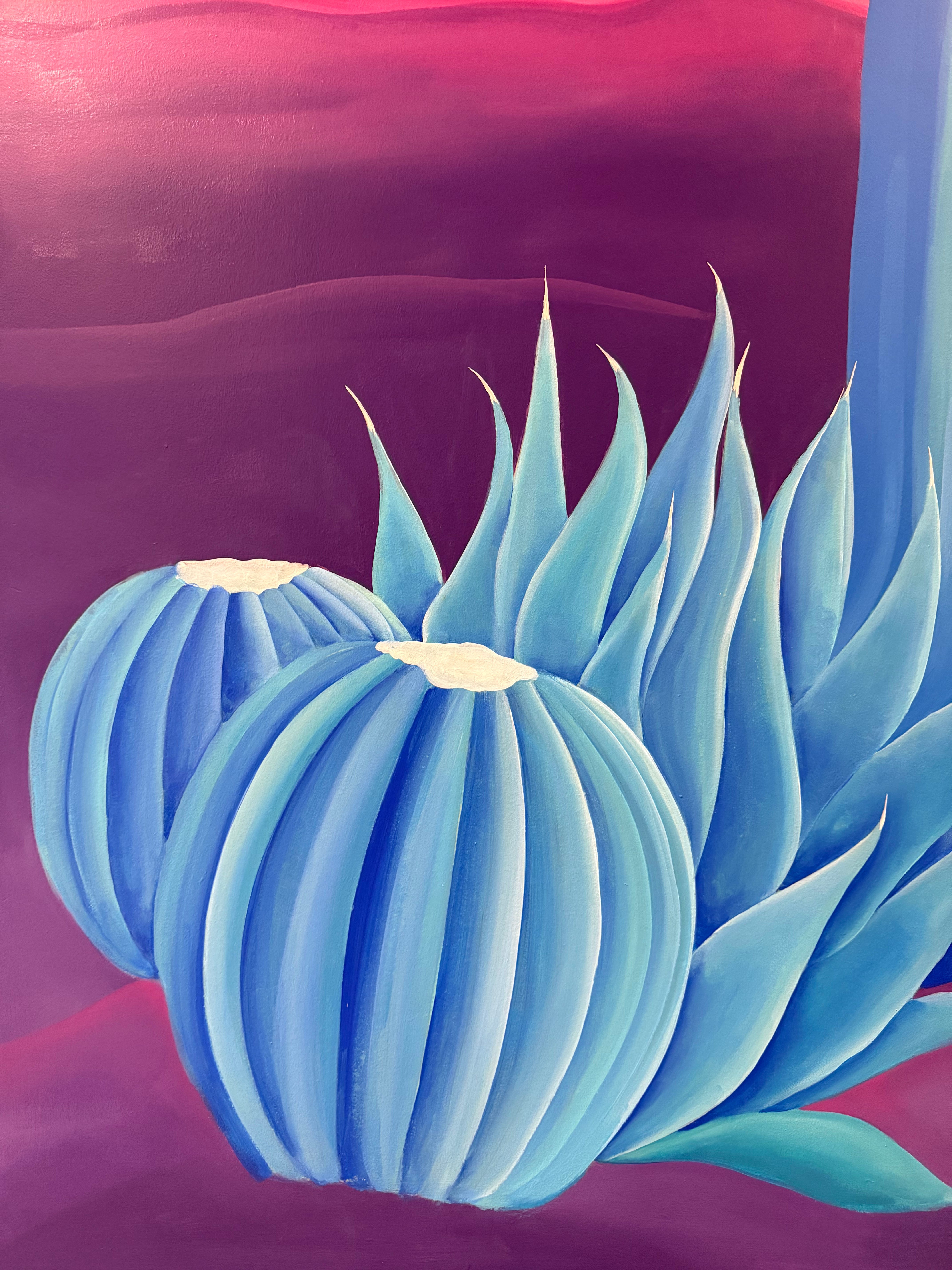
My personal belief is that artists are a necessary part of a healthy society. In hard times especially, communities use art to compost, process, grieve, and grow new things. Creativity is a blessing and should be tended to well. Artists should be supported. They should be well-funded. AND THAT AIN’T THE CASE. It bothers me. And when I’m bothered, I start asking questions.
I will continue to write about what I find as this unfolds. It’s clear that the public art program is disconnected from the lived experience of the people, and I will keep digging into that. So, thank you to those of you who responded to my original survey. The time you spent has not gone to waste.
-Dusty
If you’re not actually allergic to public meetings and bureaucratic hoop-jumping, please consider Zooming in to a PACDC meeting. They’re the second Wednesday of every month at 3:30pm — I’d love to hear what you think, how it does or doesn’t help you as an artist, and anything else on your mind.