


When we encounter art on a gallery wall, across the side of a building, in a carefully lit glass case, it’s easy to focus on what’s in front of us: the boldness of the colors, the story told by the image, the feeling it sparks. We’re trained to center the art, maybe the artist’s name beside it. But what I’ve come to appreciate more fully, what sits with me differently now, is how much invisible labor it takes for that work to reach the public eye.
Not just to be made, but to be seen.
Behind each painting, mural, sculpture, or photograph lies an entire network of effort. There are coordinators, fabricators, archivists, preparators, funders, policy navigators, landlords, translators, and community advocates; people whose names don’t end up in headlines or on plaques, but without whom the work would never come to life in the world.
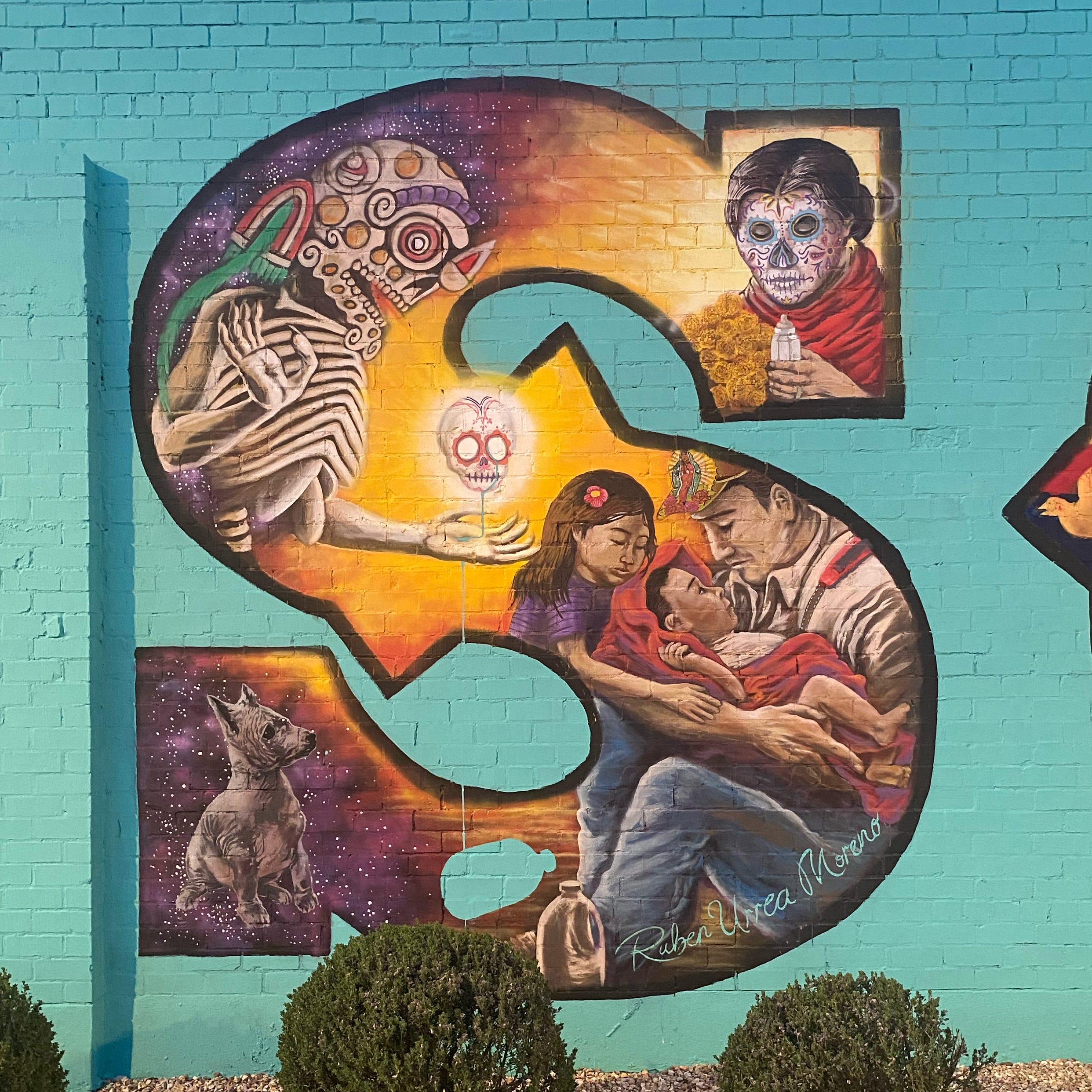
This is not a new realization, but one that’s deepened. It has moved from observation into something relational. I feel a growing tenderness for the unseen scaffolding around each cultural offering. There is an artistry, a sacred patience, in this kind of stewardship - one that deserves reverence, even if it never announces itself.
What We Don’t See
Before a mural is painted, someone must negotiate the use of the wall; sometimes with the city, sometimes with a private property owner, sometimes with both. Permits must be pulled. Contracts negotiated. Funding secured. In some cases, there are efforts to bring artists across borders, align visions across bureaucratic divides, and move creativity through systems not designed to hold it. And sometimes, after all of that… after the months of meetings, correspondence, coordination… nothing is painted at all.
I recently heard about a binational mural project that fell apart just as it neared the finish line. Artists were ready. Visas were processed. A wall had been chosen. The groundwork had been painstakingly laid. And still, the project collapsed. Not because the vision wasn’t strong or the artists weren’t committed, but because the systems around it, those many-legged tables of regulation and diplomacy, buckled under their own weight.
There’s no mural to point to. No event photos. No final image for the public. But the labor was real. The attempt matters. And it’s important to remember that there are many ways art lives and dies: some in the light, some quietly, in planning documents and unanswered emails.
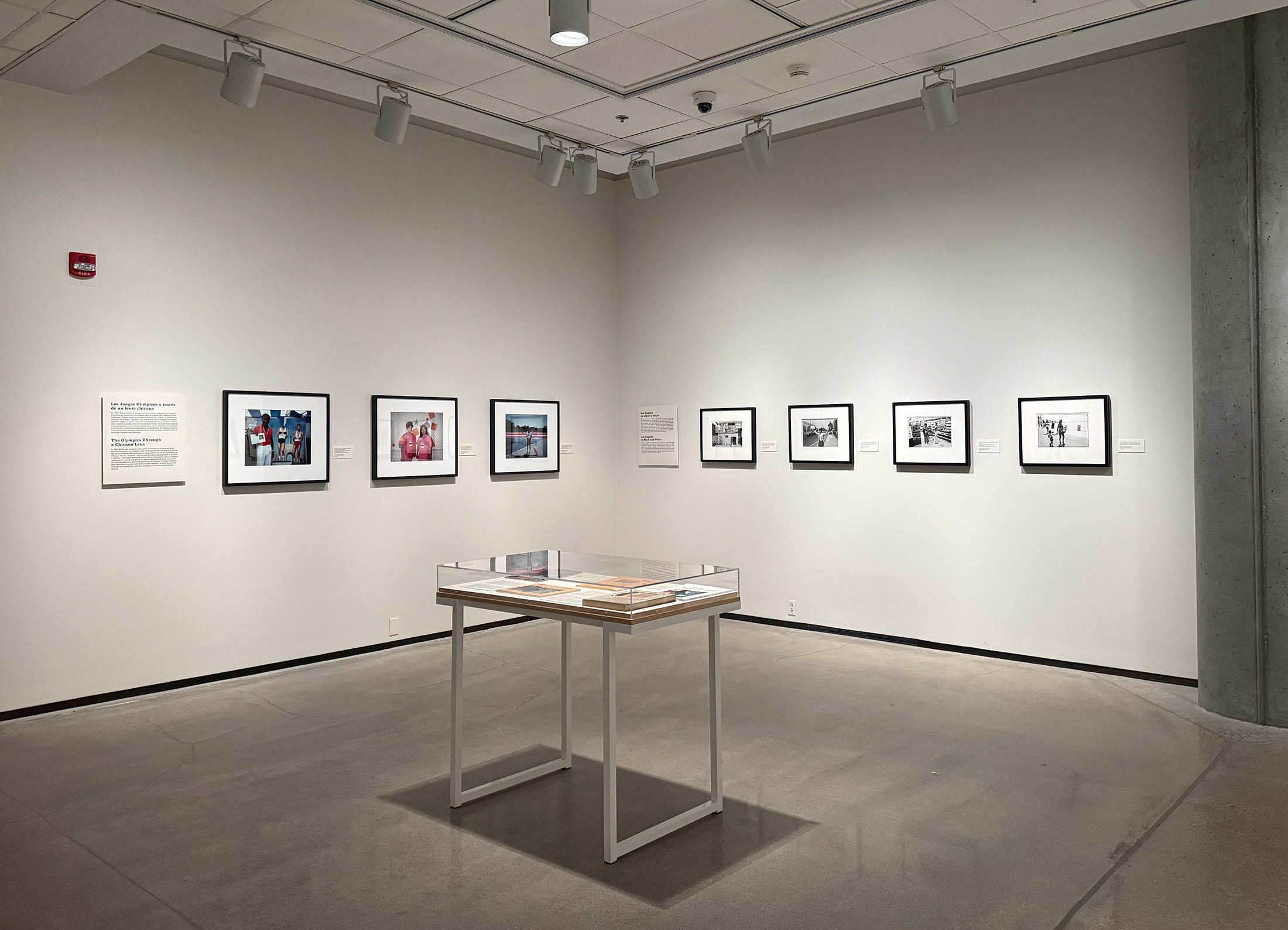
Let’s compare that to another kind of art experience like a photographic archive, donated to a university, cared for across decades, then finally displayed in a curated retrospective. Two very different outcomes. Both were shaped by dozens of people, most of whom will never be named.
Stewardship Takes Many Forms
What moves me isn’t just the artwork, but the full ecology it grows from. An entire substrate beneath what we see includes legal frameworks, backchannel negotiations, design revisions, object handling, light metering, insurance policies, delivery routes, grant cycles. There are long nights, tender negotiations, calloused hands. Sometimes there are grieving families gifting a lifetime of work to an archive. Sometimes there’s a janitor who keeps a space clean so it can host a neighborhood exhibit.
It’s not just about logistics - it’s about care.
I’ve come to see this care as a kind of cultural composting. These seemingly disconnected acts, whether funding proposals, ladder climbs, or archival glove use, create the conditions for cultural material to live. Without them, nothing holds. Or nothing lasts.
And what’s fascinating is how much of this labor goes unnoticed, even by the communities it’s meant to serve. The end user rarely sees the scaffolding. They don’t have to. But I think we’re all better for learning to look a little closer.
When the Work Doesn’t Show
It’s easy to celebrate the fruit on the tree. But not every seedling grows. Not every bloom survives the season. I’m thinking, too, about the projects that never quite come to fruition - not because the idea wasn’t strong, but because the surrounding conditions weren’t ready. That matters, too.
Art doesn't just need talent, it also needs support. It needs containers. It needs people willing to navigate resistance, red tape, and underfunded departments. When projects fall apart, the effort isn’t erased. It becomes part of the soil, part of what informs what grows next.
And we rarely mark those moments. But we should.
A Quiet Offering
So this post isn’t about one exhibit or one artist or one conversation. It’s about all the people who keep showing up to hold creative possibility, even when no one’s watching. It’s about the hands that measure and mount, the hearts that rally for funding, the quiet presence of those who keep tending culture even when the reward is uncertain.
There’s a certain humility to this work. A rhythm. A devotion that doesn’t ask to be seen, but deserves acknowledgment.
Next time you stand before a mural, or walk through a gallery, or read a handmade zine from a little library, pause. Let yourself wonder what it took to get it there. Ask who was behind it, beside it, holding it up. Consider the ecosystem. The hands. The care.
Beauty may be what we notice. But the stewardship behind it is where the real magic lives.